Cancers don’t develop overnight. These cancer-fighting foods and
other lifestyle moves can significantly reduce your cancer risk. You should always check with your doctor with any concerns.
Eat Brazil nuts.

They’re rich in selenium, a trace mineral found
in soil that convinces cancer cells to commit suicide and helps cells
repair their DNA. A Harvard study of more than 1,000 men with prostate
cancer found those with the highest blood levels of selenium were 48
percent less likely to develop advanced disease over 13 years than men
with the lowest levels. And a dramatic five-year study conducted at
Cornell University and the University of Arizona showed that 200
micrograms of selenium daily—the amount in just two unshelled Brazil
nuts—resulted in 63 percent fewer prostate tumors, 58 percent fewer
colorectal cancers, 46 percent fewer lung malignancies, and a 39 percent
overall decrease in cancer deaths. Make sure to get selenium from food,
not supplements. Research shows that men who consumed selenium
supplements actually had an increased prostate cancer risk. This is why nuts are the best disease fighter in your pantry. That means they aren’t only good for preventing cancer.
Eat garlic.

This pungent herb contains allyl sulfur
compounds that may stimulate the immune system’s natural defenses
against cancer, and may have the potential to help the body get rid of
cancer-causing chemicals and help cause cancer cells to die naturally, a
process called apoptosis. The Iowa Women’s Health Study showed that
women who consumed the highest amounts of garlic had a 50 percent lower
risk of colon cancer compared with women who ate the least. Try out
these surprising ways to use garlic that will improve your life.
Eat cruciferous veggies.

People who eat broccoli and its cousins such as
cabbage, cauliflower, broccoli, and bok choy at least once per week
have a lower risk of kidney cancer compared with people who consume them
less than once a month, according to a multinational European study.
Eat artichokes.

Artichokes are a great source of silymarin, an
antioxidant that may help prevent skin cancer by slowing cancer cell
growth. To eat, peel off the tough outer leaves on the bottom, slice the
bottom, and cut off the spiky top. Then boil or steam until tender,
about 30-45 minutes. Drain and eat.
Marinate your meat.

The high temperature required to grill meat
(and broil and fry, for that matter) creates compounds called
heterocyclic amines that are linked to cancer. These compounds may
damage DNA enough to spur the growth of tumors in the colon, breast,
prostate, and lymph cells. One University of Minnesota study found that
eating charred meat regularly can increase pancreatic cancer risk by up
to 60 percent. According to research in the Journal of Agriculture and Food Chemistry,
marinating red meat in beer or wine for two hours prior to cooking
reduced the amount of these harmful compounds. Kansas State University
research found that rubbing rosemary onto uncooked meats blocks the
formation of these cancer-causing compounds by up to 100 percent. You
can also rub a couple of cut kiwifruit on a low-fat cut of meat as a
tenderizer to help protect the meat during grilling from those harmful
cancer-causing compounds.
Drink green tea.
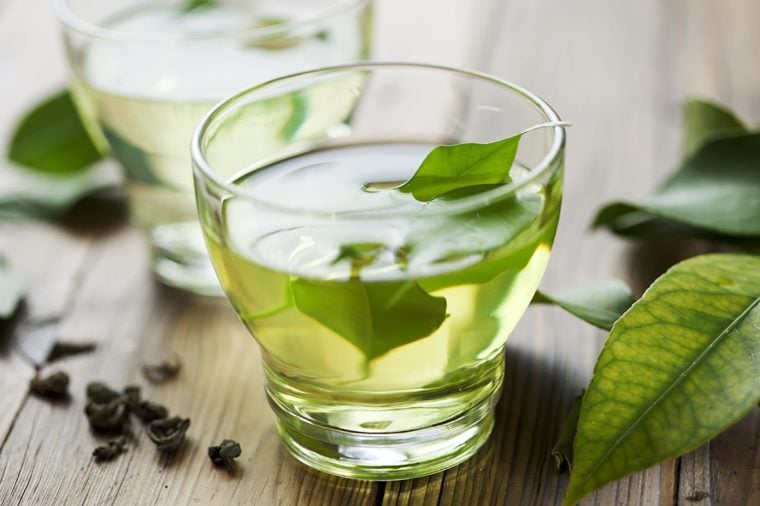
More than 50 studies on the association between
tea and cancer risk have been published since 2006, according to the
National Cancer Institute. While findings have been inconsistent—partly
due to variations in types of tea and differences in preparation and
consumption—some papers have found tea drinkers have a reduced risk of
breast, ovarian, colon, prostate and lung cancer. The healing powers of
green tea have been valued in Asia for thousands of years. Some
scientists believe that a chemical in green tea, EGCG, could be one of
the most powerful anti-cancer compounds ever discovered due to the high
number of antioxidants. These are other health benefits of green tea that you probably never knew about.
Sip a glass of beer or wine.

Alcohol protects against the bacterium
Helicobacter pylori, which is known to cause ulcers and may lead to
stomach cancer. A study out of Queens University in Belfast found that
moderate amounts of wine, beer, lager, or cider might protect against H.
pylori; drinking three to six glasses of wine or one to two half-pints
of beer a week showed 11 percent fewer infections. Don’t overdo it:
Drinking more than one or two alcoholic drinks a day may increase your
risk of mouth, throat, esophageal, liver, and breast cancers. Here’s what happens when you drink a glass of wine every night.
Eat wild salmon.

Women who ate fish three times a week or more
were 33 percent less likely to have polyps, or growths of tissue in the
colon that can turn into cancer, according to a study in the American Journal of Clinical Nutrition.
Fish, especially salmon, is packed with anti-inflammatory omega-3 fatty
acids, which are likely responsible for the cancer-fighting effects.
Australian researchers found that people who ate four or more servings
of fish per week were nearly one-third less likely to develop the blood
cancers leukemia, myeloma, and non-Hodgkin’s lymphoma. Other studies
show a link between eating fatty fish (salmon, mackerel, halibut,
sardines, and tuna, as well as shrimp and scallops) with a reduced risk
of endometrial cancer in women.
Snack on kiwi.

Kiwi may be little, but they pack a punch of cancer-fighting antioxidants, including vitamin C, vitamin E, lutein, and copper.
Eat less high-fat animal protein.

After tracking food choices of more than
121,000 adults for up to 28 years, Harvard researchers found that people
who ate three ounces of red meat every day were about 13 percent more
likely to die—often from heart disease or cancer—before the study ended
than people who didn’t eat meat. A Yale study found that women who ate
the most animal protein had a 70 percent higher risk of developing
non-Hodgkin’s lymphoma, while those who ate diets high in saturated fat
increased their risk 90 percent. Switch to low-fat or nonfat dairy,
choose poultry or fish instead of beef or pork, and use olive oil
instead of butter.
Snack on red grapes.
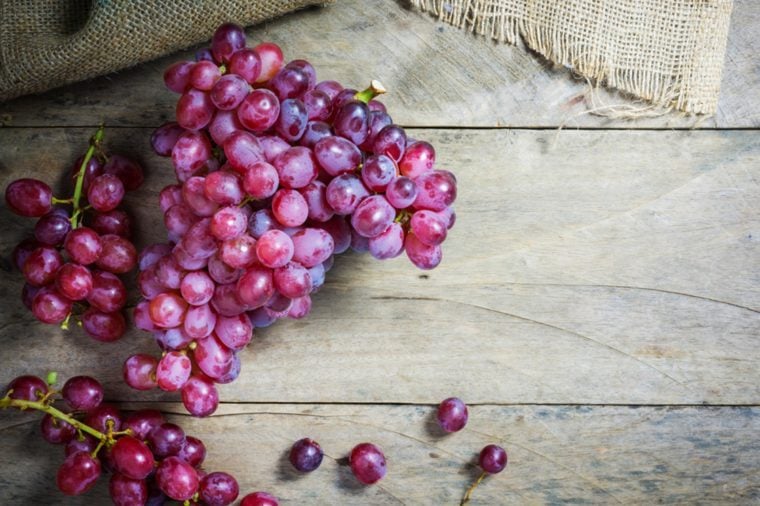
They’re great sources of resveratrol, an
antioxidant that may slow cancer growth in the lymph nodes, stomach,
breasts, and liver. A 2011 study from The University of Texas Health
Science Center found that resveratrol inhibited skin damage that
ultimately leads to skin cancer. Although all grape skins contain
resveratrol, red and purple grapes have the most. This is why you can never find grape ice cream.
Eat onions.

When it comes to cancer-fighting foods, onions
are nothing to cry about. Cornell food science researchers found that
that onions and shallots have powerful antioxidant properties, as well
as compounds that inhibit cell growth, which appear protective against a
variety of cancers. The study found that shallots, Western Yellow,
pungent yellow, and Northern Red have the richest sources of flavonoids
and antioxidants. Not a big fan of onion breath? Although they have less
antioxidant power, you can try scallions, Vidalia onions, or chives for
a milder taste.
Cut out fries and chips.

When foods are baked, fried, or roasted at high
temperatures (think French fries and potato chips), a potential
cancer-causing compound called acrylamide forms, a result of the
chemical changes that occur in the foods. Studies performed on rats have
shown that prolonged acrylamide exposure is a risk for multiple types
of cancer. Human studies are ongoing; but even if the results are
benign, it’s healthiest to switch from French fries and potato chips to
foods like mashed potatoes and pretzels.
Drink milk.
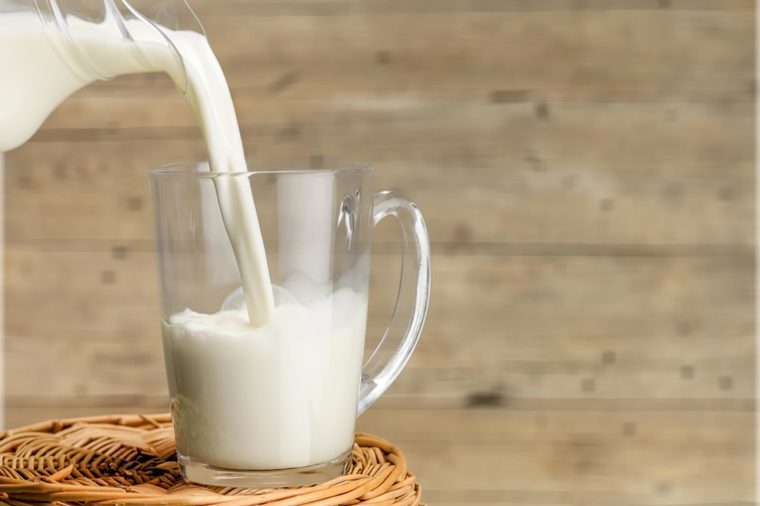
Recent studies have shown that calcium may
protect against colon cancer: Participants in the Nurses’ Health Study
who consumed more than 700 mg of calcium per day per day had up to a 45
percent reduced risk of colon cancer than those who consumed 500 mg or
less per day. Although 700 mg may sound like a lot, it can add up with a
cup of low-fat yogurt for breakfast (345 mg), a cup of low-fat milk
with lunch (300 mg), and a cup of spinach in your salad with dinner (292
mg).
Eat sauerkraut.

A Finnish study found that the fermentation
process involved in making sauerkraut produces several cancer-fighting
compounds, including isothiocyanates (or ITCs), indoles, and
sulforaphane. To reduce the sodium content, rinse canned or jarred
sauerkraut before eating. Better yet, skip the hot dog or sausage—these
processed meats are associated with a greater risk of colon cancer.
Eat fewer smoked and pickled foods.

Studies find that smoked and pickled foods
contain various carcinogens, so, for examples, choose cucumbers over
pickles, fresh salmon over lox. Many of these pickled vegetables are
common in Japanese and Korean cuisine; the number of people with gastric
cancers is higher in Japan and Korea than in the United States.
Reap the advantages of a daily aspirin Rx.
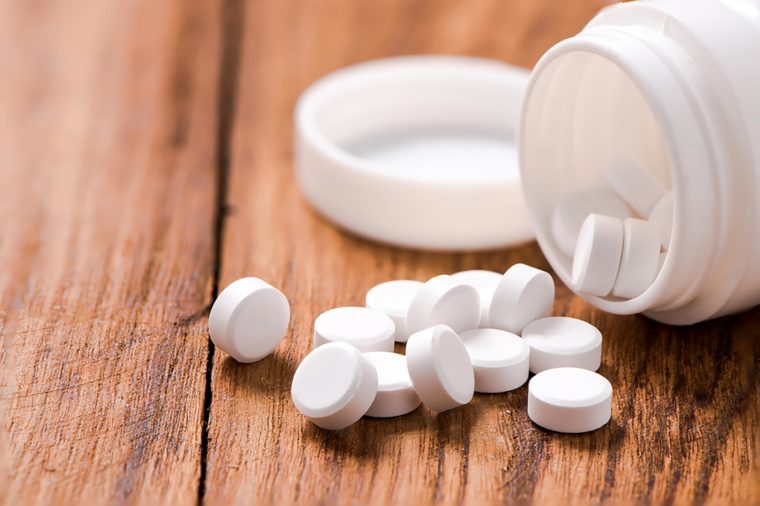 If your doctor’s recommended that you take aspirin to help your
heart, this may also help protect your body from cancer. A study from
the U.S. National Cancer Institute found that women who used aspirin
daily had a 20 percent lower risk of ovarian cancer than those who used
aspirin less than once a week. (Don’t take aspirin daily without your
doctor’s approval; it can cause bleeding in your digestive tract).
If your doctor’s recommended that you take aspirin to help your
heart, this may also help protect your body from cancer. A study from
the U.S. National Cancer Institute found that women who used aspirin
daily had a 20 percent lower risk of ovarian cancer than those who used
aspirin less than once a week. (Don’t take aspirin daily without your
doctor’s approval; it can cause bleeding in your digestive tract).Make a cancer-fighting dinner

Sauté two cloves of crushed garlic in two
tablespoons of olive oil, then mix in a can of low-sodium diced
tomatoes. Stir gently until heated and serve over one cup of whole-wheat
pasta. You’ll get the cancer-preventing benefits of garlic, plus the
lycopene in the tomatoes protects against colon, prostate, lung, and
bladder cancers, the olive oil helps your body absorb the lycopene, and
the fiber-filled pasta reduces your risk of colon cancer.
Comments
Post a Comment